
What is Mohs Surgery?
Mohs surgery is a precise surgical technique designed to eliminate skin cancer systematically, layer by layer, in order to eradicate cancer cells. First developed by Frederic E. Mohs, MD, in the late 1930s, it began gaining popularity in the 1960s.
During a Mohs procedure, the surgeon removes extremely thin layers of skin, examining each layer for signs of cancer as you wait. This strategy allows the surgeon to see where the cancer stops and completely remove it while saving as much healthy tissue as possible.
Mohs is a popular option to treat skin cancer because it has a high success rate. It’s a low-risk procedure that doesn’t require general anesthesia, and this technique has up to 99% success rate for skin cancer not previously treated.
What types of skin cancer can Mohs Surgery treat?
Mohs surgery can be a good treatment option for basal cell carcinoma (BCC) and squamous cell carcinoma (SCC), two of the most common types of skin cancer. The team at Elite Dermatology is highly trained in identifying and diagnosing many common types of skin cancer.
Mohs surgery is particularly effective for skin cancer removal in areas where there’s not a lot of extra tissue. Skin cancer on the hands, feet, or around the head and face can be effectively treated with Mohs surgery.
What can I expect if I get Mohs Surgery?
Mohs surgery is an outpatient procedure that can be performed in the office. It requires only local anesthesia, so you’ll remain awake throughout the procedure.
The team begins by examining the area, preparing you for surgery, and administering local anesthetic. Your surgeon first cuts out visible skin cancer, and then begins removing layers of tissue below it.
With each layer that’s removed, your surgeon examines it under a microscope, looking for cancer. The surgery continues until all the cancer cells have been removed.
Depending on the size and location of your Mohs surgery, the team may use stitches to close the area. You’ll know the results of your procedure before you leave the office.
Trust the dermatologists at Elite Dermatology when it comes to treating skin cancer. Learn more by calling the office nearest you or requesting an appointment online today.
What Should I Do Before Surgery?
» Have a normal breakfast on the morning of surgery. If your surgery is in the afternoon, eat lunch before coming in.
» Try to stop smoking 1 week before surgery and for 2 weeks afterwards; healing after surgery is better and faster if you are not smoking.
» If the procedure is on your face, please do not wear makeup.
» Wear loose comfortable clothing; try to avoid white clothing. If surgery is on your neck, avoid shirts with collars.
What Will Happen After Surgery?
You will have a bandage in place. We will give you detailed written wound care instructions and a list of phone numbers to call if you have questions. To maximize your chances of healing properly, we strongly advise you follow the written wound care instructions.
Most wounds are only sore after surgery. If there is discomfort, start with an acetaminophen (Tylenol)-based painkiller; if needed, alternate with aspirin or ibuprofen. If we suspect a wound will be more painful, we will provide you a prescription for a stronger painkiller.
Skin cancers grow like icebergs; there is typically more below the surface than can be seen above. Like a weed, if the roots of skin cancer are not removed, cancer will continue to grow.
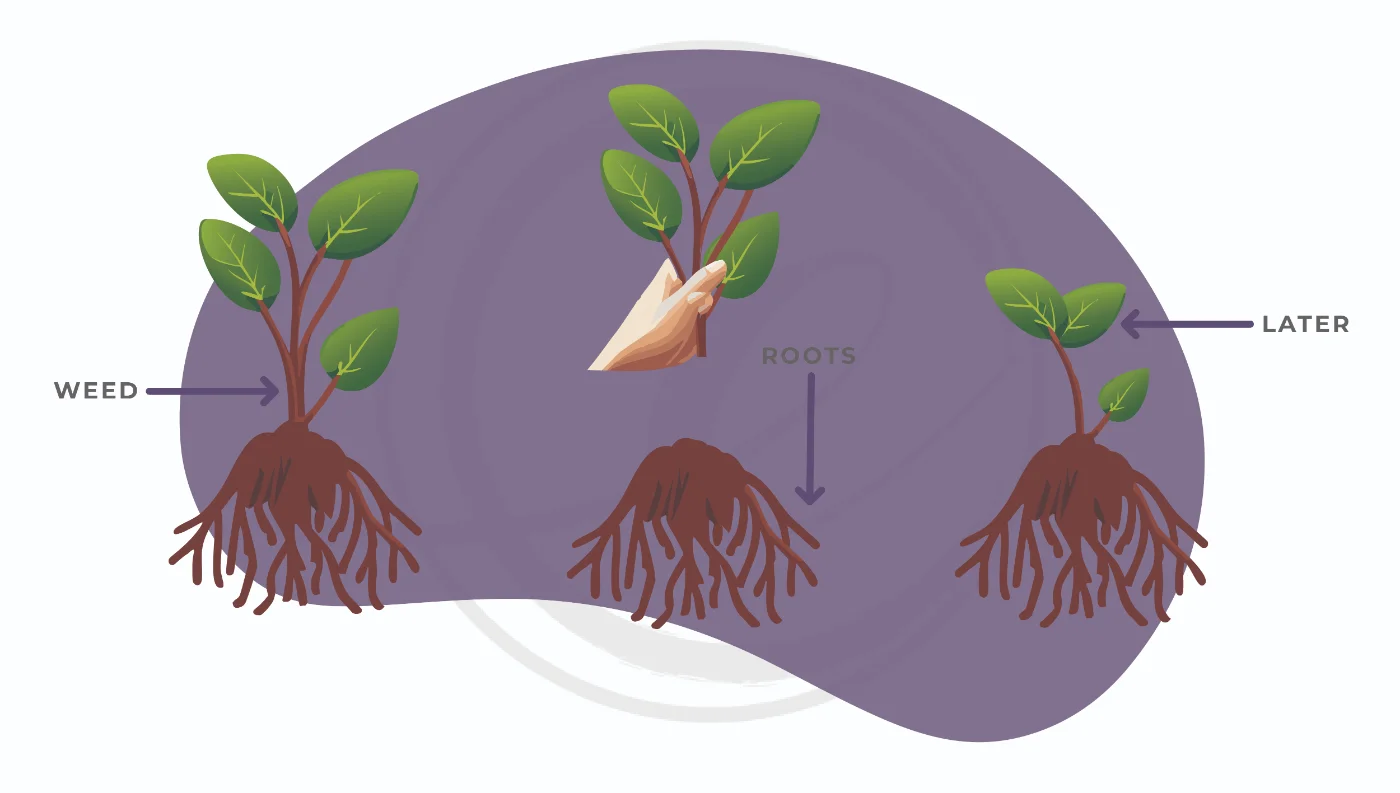
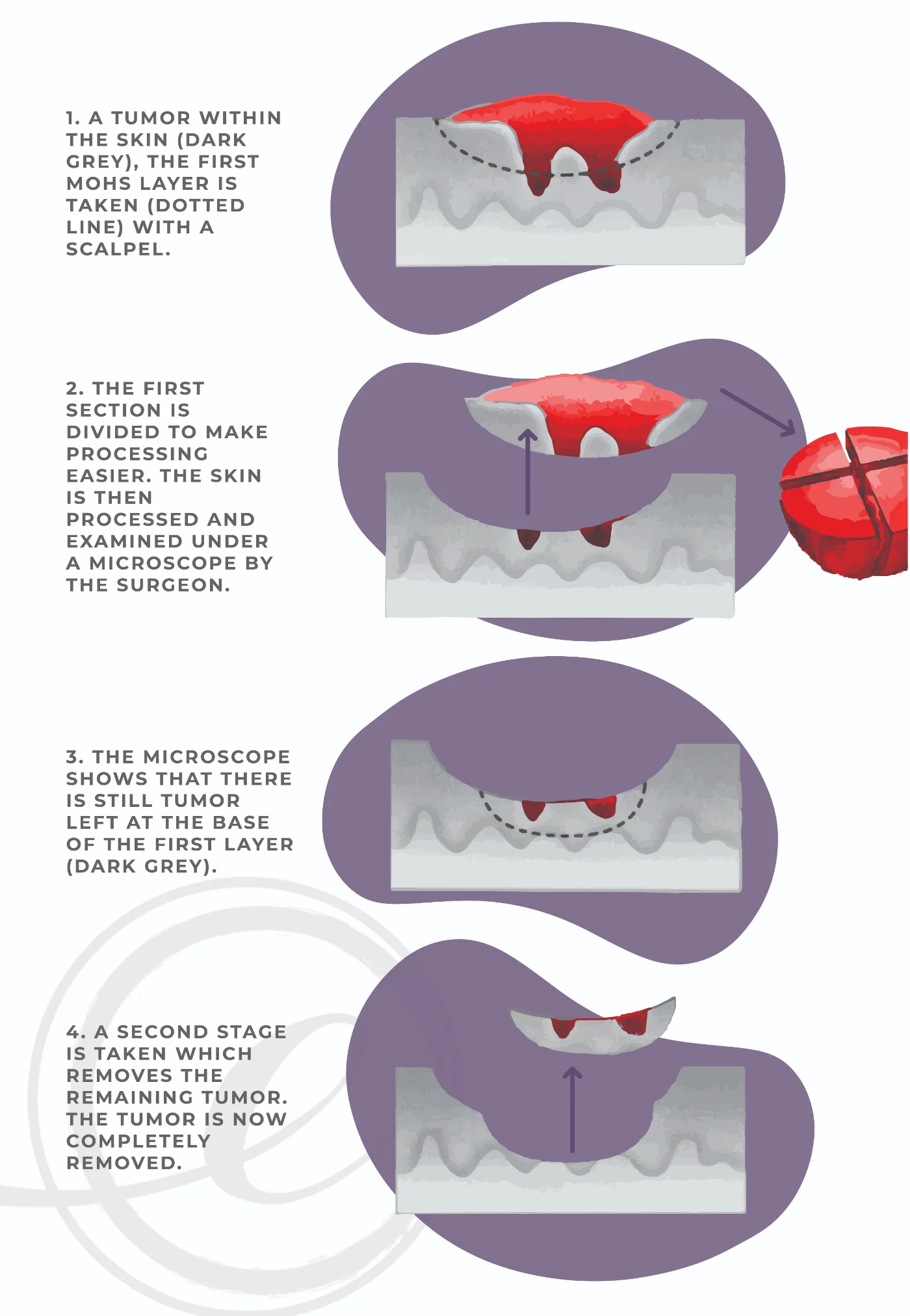
Mohs surgery can result in up to a 99% cure rate for most skin cancers. The following examples show what happens in Mohs surgery. The process is described again in detail below.
What Medication Should I take?
The following medications increase the risk of bleeding during and after the procedure. Stop 2 weeks before your surgery date and for 3 days afterwards.
» Ibuprofen (Aleve, Advil)
» Vitamin E
» Ginkgo
» Garlic
» Ginseng
» Ephedra (Ma Huang)
Otherwise take any prescribed medication you would normally take.
» Bring any medication you would normally take during the day.
» If you have been advised you need antibiotics before surgical or dental procedures because you have an implant or abnormal heart valve, please let our staff know ahead of time so we can arrange for you to have the antibiotics on the day of your surgery.
What Can I Expect on the Day of Surgery?
» Please try to arrive 15 minutes before your appointment to complete the necessary paperwork.
» Be prepared to spend the entire day with us as we cannot predict how long the surgery will take. Bring something to read or do.
» You are welcome to have a friend or family member with you during the stages of surgery.
- The front desk staff will register you if not previously registered.
- The nursing staff will take you to one of the procedure rooms and ask you about your medical history, current medications, allergies, and who your primary care physician is.
- The surgeon will meet you and mark the tumor with a surgical marker. The surgeon will also answer any questions you may have prior to the procedure.
- You will be asked to sign a consent form that will give us your permission to undergo the procedure and to be photographed.
- We will take a close-up photograph of the area to be operated on.
- The skin will be cleaned with antiseptics and then numbed with an injection of lidocaine anesthetic. This may burn and sting for a few seconds; the area will then be numb. We aim to make this step as painless as possible.
- The first layer of skin is removed with a scalpel; any bleeding is stopped.
- The staff will put a temporary bandage on the wound. You are welcome to stay in your surgical suite.
- The removed tissue is taken to our lab to be processed and will be looked at under the microscope to check the margins. This takes approximately 45 minutes for basal cell and squamous cell carcinoma.
» When the tissue is ready, the surgeon looks at it under the microscope. If any tumor is left, it is marked on a map. We use this map to tell us where the tumor remains.
» We will come back to the procedure room, remove the dressing, and inject more anesthetic (lidocaine). The surgeon will remove additional skin from the area where the cancer is still present; the process is then repeated as above.
» Typically, 1-2 cycles are needed.
» Once the cancer is completely removed, we will take another photograph of the wound and discuss the repair options.
Wound Care/Aftercare
- You will leave your bandage on and dry for 2 days; this means you will not be able to get that area wet in your shower/bath.
- Keep Vaseline or Aquaphor on hand; you will use this on the surgical site for at least 1 week.
- Bandaging supplies can include Band-Aids, non-stick pads, tape, elastic bandage wraps. Don’t buy anything until we let you know what you might need.
- Plan to clean, apply ointment, and change the bandage daily until your suture removal appointment. If additional care is needed afterwards, we will let you know.
- Scar gels, sunscreen, makeup can be used 2 weeks after your procedure.
Blood Thinners
If you are taking blood thinning medication due to a history of stroke, artificial valve, atrial fibrillation, heart attack or a blood clot, you should remain on them for the surgery. This is likely to increase minor bleeding during the procedure but is easily controlled and is less dangerous than having another stroke, heart attack or blood clot. In the past, we used to stop these medications before surgery, but new research shows it is safe to continue them.
Examples of blood thinners: aspirin, Plavix (clopidogrel), Coumadin (warfarin), Eliquis (apixaban), Xarelto (rivaroxaban). Ideally, INR for patients taking Coumadin should not be greater than 3. Please notify your Coumadin/Warfarin clinic or PCP and arrange an INR test within a week prior to surgery.
If you are taking them as a preventative health measure but have NOT had a stroke, heart attack or blood clot, check with your primary care doctor or internist to see if they think it is safe to stop them. Do NOT stop them on your own. Aspirin (including baby aspirin) should be stopped 10 days before surgery, the others 3 days before surgery.
Wound Closures
Our skin has a remarkable ability to heal. Sometimes a wound is allowed to heal in by itself without stitches. This can take 4-8 weeks depending on the body site. This option, in the right area, can lead to an excellent result when the wound is kept hydrated with Vaseline or Aquaphor.
The next simplest way of closing skin is stitching it side-to-side in a straight line. IF the skin will not close side-to-side, we may need to do either a graft or a skin flap. A flap borrows skin adjacent to the wound and moves it over to fill the wound.
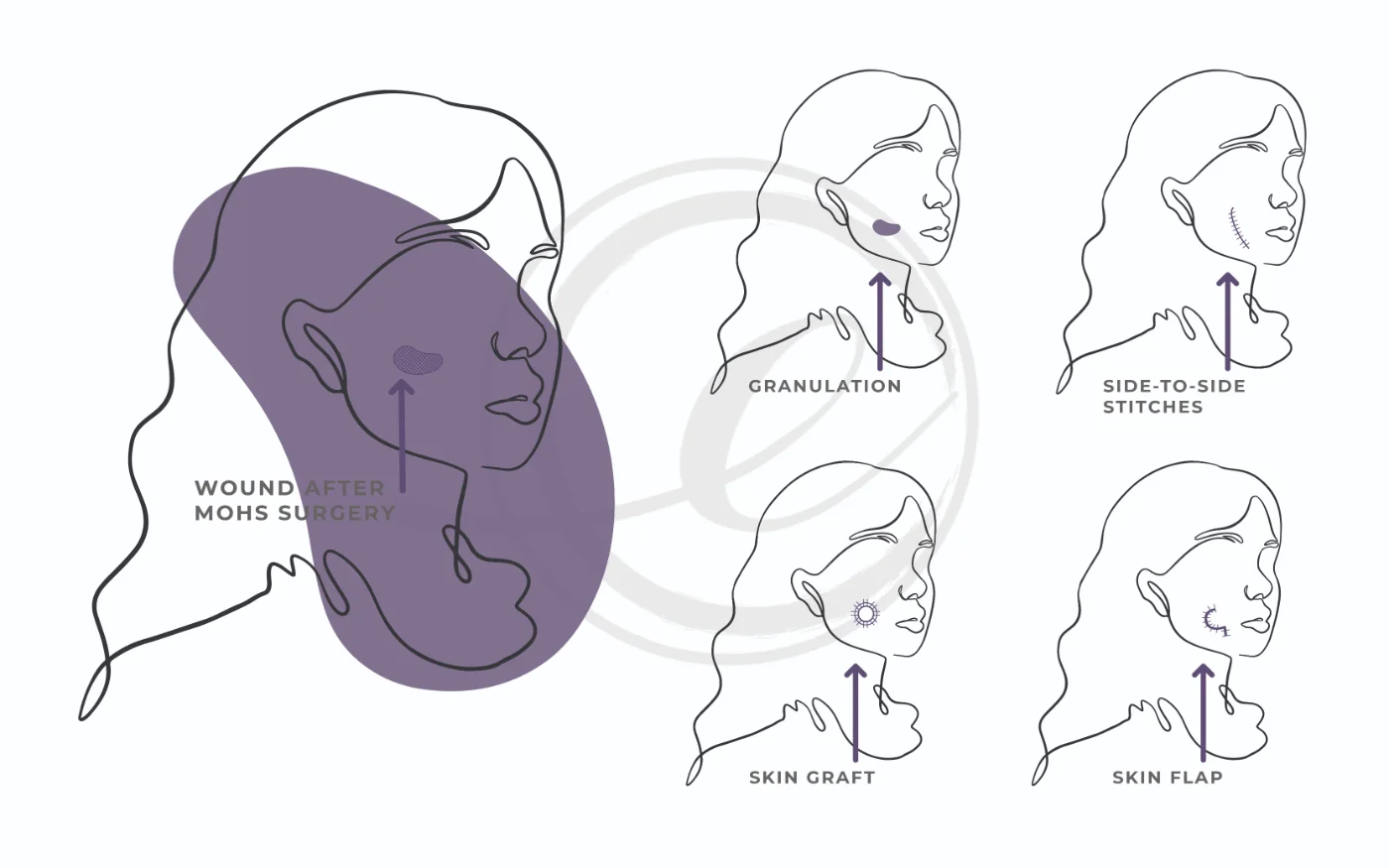
A graft is a piece of skin removed from a site away from the wound, usually from around the ear or above the collarbone, and used to cover the wound like a patch.
If the wound left by the surgery is closed with stitches, they will need to be removed according to the following locations.
– Face: 5-7 days
– Neck: 7-12 days
– Arms, legs, trunk: 12-14 days
– Scalp: 14-21 days
Occasionally the wounds are in a location or of a size that will necessitate referral to a plastic surgeon or eye surgeon for repair; this will be coordinated by our office prior to your Mohs appointment.
Once wounds are healed and the stitches taken out, the scar will continue to heal and develop over the next 6-18 months. Sometimes a second procedure is needed to make the scar less noticeable. This is typically performed several months after the surgery should it be needed. These secondary procedures include injections of anti-scarring medication, dermabrasion, or laser therapy.
Mohs Surgery FAQs
What are the risks of surgery?
Since the biopsy the area appears to have healed. Do I still need surgery?
I have a wedding/graduation/vacation/reunion/special event within 2 weeks of the surgery; should I still have the surgery?
Will I have pain afterwards?
Will my cancer become a melanoma?
What would happen if I left this area alone and do nothing?
What are the chances of my getting another cancer?
What training has a Mohs Surgeon had?
What are the alternatives to surgery?
Schedule a Consultation at Elite Dermatology
Choose trusted expertise for your Mohs surgery at Elite Dermatology and Plastic Surgery. Explore our comprehensive dermatologic care for skin conditions for treatment options tailored to your needs. View our accepted insurance plans and schedule your appointment today to take control of your skin health with confidence.